Project Impact
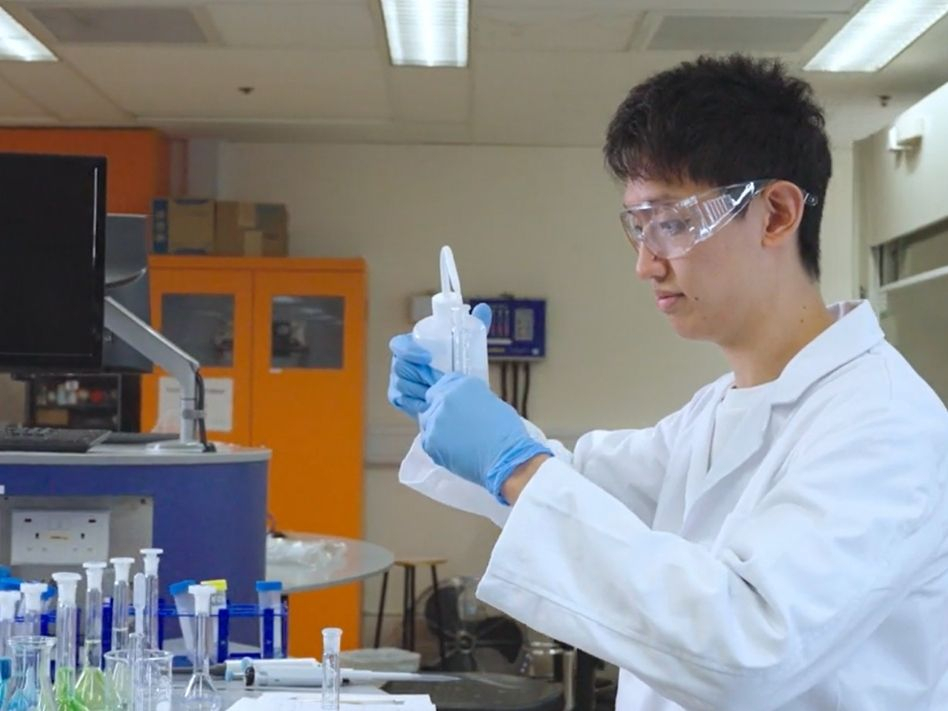
Frontier research in analytical science is a cornerstone of HKBU’s Chemistry Department, supported by state-of-the-art facilities and world-class expertise. Recent advances include the development of innovative measurement techniques to detect and understand environmental contaminants and their health impacts, pioneering microfluidic diagnostic systems for tackling antimicrobial resistance, as well as luminescent probes for Life Sciences, launched globally in mid-2025. These efforts are strengthened by long-standing collaborations with the Hong Kong Council for Testing and Certification (HKCTC), ensuring that research outcomes translate directly into industry impact and workforce development. With support, HKBU Chemistry continues to drive progress in environmental protection and healthcare diagnostics, positioning itself as a leader in addressing some of society’s most pressing scientific challenges.
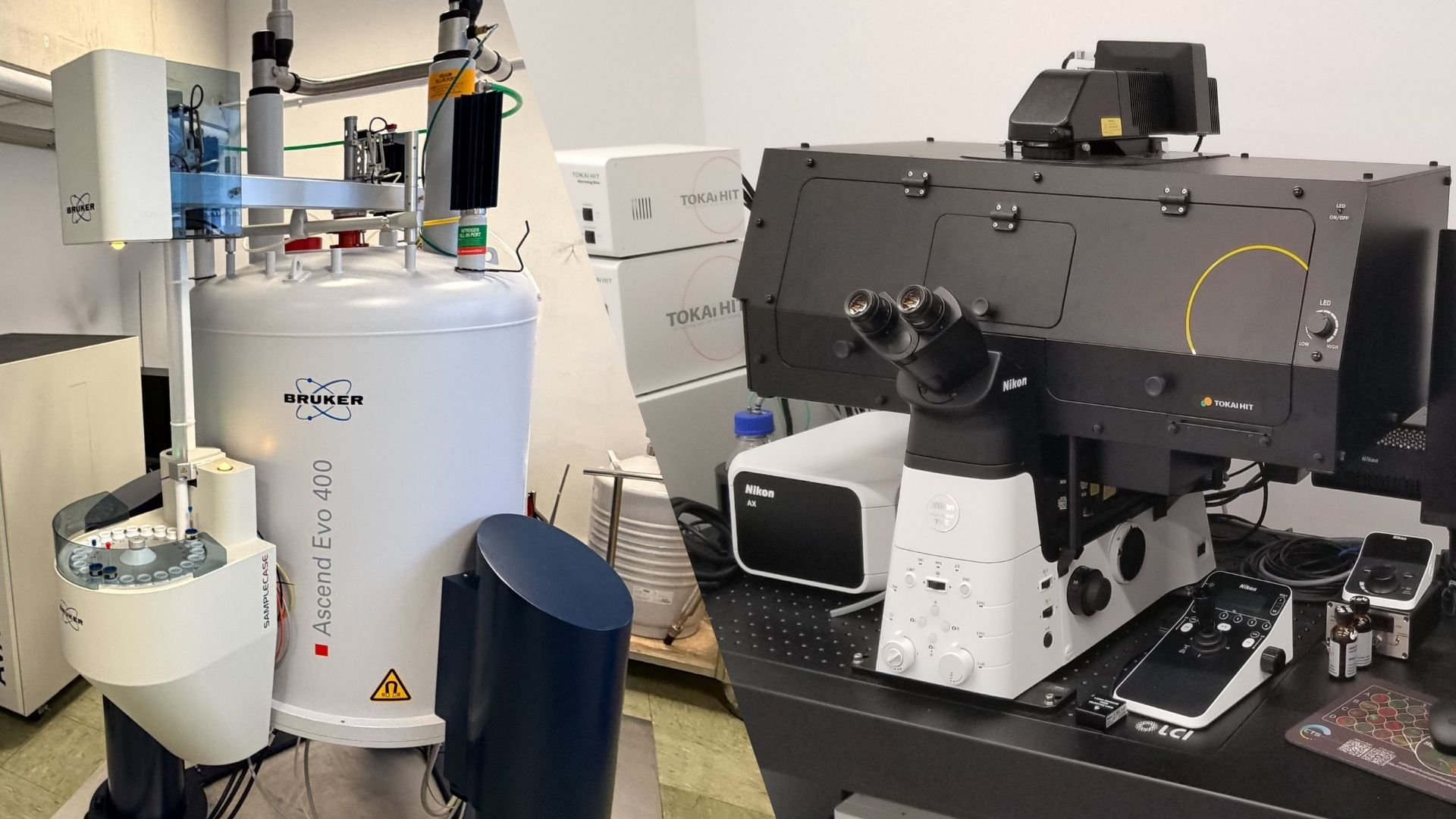
Leading 21st century Chemistry Departments require state of the art instrumentation and equipment to allow them to characterize and study the properties of the new compounds and advanced materials being made on site. HKBU has been investing in the future of its science infrastructure base and recently acquired unique pieces of advanced equipment that place BU Chemistry at the forefront of Chemistry Laboratories in Southern China.
These instruments allow us to understand molecular structure in solution and in solids and range from advanced Nuclear Magnetic Resonance (NMR) instrumentation (Bruker, 80, 400 and 600 MHz) that operate with very strong magnetic fields, to an X-ray diffractometer (Rigaku) that is being used to find out the detailed molecular structure of proteins and nucleic acids, as well as small molecules.
Chemists are also interested in ‘weighing’ molecules and their fragments in an ionization chamber using an instrument called a mass spectrometer (MS). At BU, researchers have access to the most advanced suite of MS instrumentation in Hong Kong.
We also work closely with biochemists and cell biologists, and a key facility for this work used an advanced microscope. A Nikon AXR instrument was acquired in 2024, that gives wonderful images of cells and details of their different compartments. We are made up of millions of different types of cells, and they are the biological building blocks in Life. Slowly, we are discovering how they work and communicate with each other, by designing pioneering experiments that use such equipment to best effect. Integration of 3D atomic and molecular interactions help chemists to design diagnostic and therapeutic solutions, for example in personalized medicine.
We need your support to sustain and maintain this first-class equipment base.
Student Support
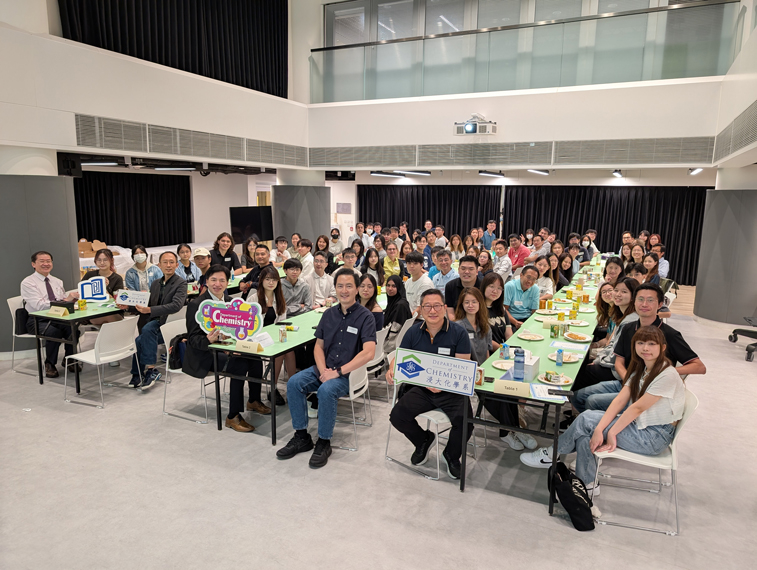
These advanced research facilities also provide invaluable learning and practical opportunities for students, allowing them to participate in cutting-edge research and interdisciplinary collaborations. The Department of Chemistry at Hong Kong Baptist University places great emphasis on the holistic development of students, offering a range of scholarships, financial aid, and student assistant programmes to encourage young scholars to engage in frontier scientific research, attend international conferences, and undertake specialized research projects, broadening their professional skills and global outlook. Under the guidance of experienced academics, students can participate in nationally significant and industry-impactful projects, laying a solid foundation for their future careers in scientific research, testing and certification, healthcare, and environmental protection. Your support not only advances scientific technologies but also serves as a vital driving force in nurturing the next generation of scientific talent.